Plumber in San Antonio, TX
San Antonio's Edwards Aquifer delivers some of the hardest water in Texas — 15 to 20 grains per gallon — and the city's expansive clay soil causes more slab leaks per capita than almost any other metro in the state. Whether you are dealing with mineral scale choking a water heater, a pinhole leak under a slab foundation in Alamo Heights, or corroded galvanized pipes in a 1940s Monte Vista home, plumbing in San Antonio requires a plumber who understands the specific geology and water chemistry that drive most service calls here. Available 24/7 across Bexar County.
Call Now: (888) 718-6568Plumbing Services in San Antonio
Most plumbing problems in San Antonio trace back to two root causes: the Edwards Aquifer's mineral-heavy water and the expansive clay soil beneath nearly every foundation in Bexar County. Our services address both.

Water Heater Services
Tank and tankless water heater repair, replacement, and maintenance. San Antonio's hard water (15–20 GPG) reduces water heater lifespan to 8–10 years — we flush sediment, replace corroded anodes, and install units designed for high-mineral water. Gas and electric, 40–75 gallon capacity, including expansion tank installation required by current Texas code.
Drain & Sewer Solutions
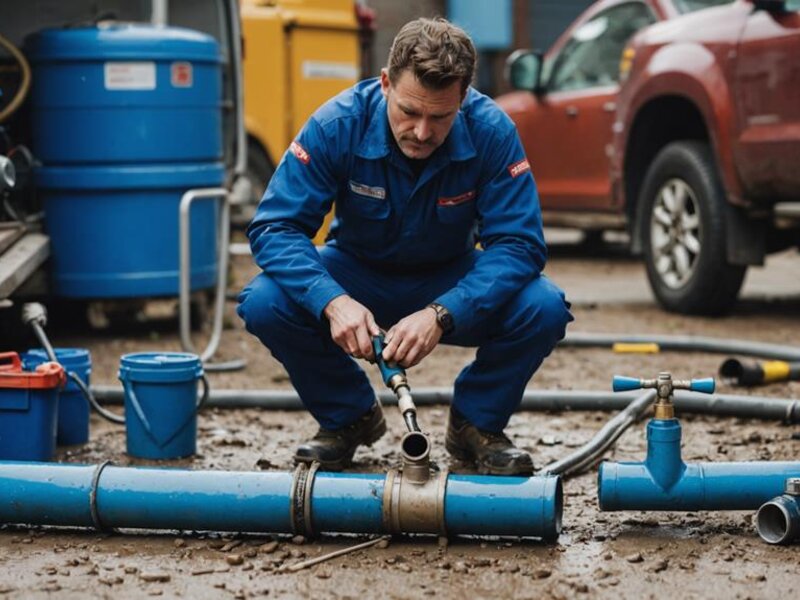
Camera-assisted drain inspection, hydro-jetting, and sewer line repair. San Antonio's aging cast iron sewer lines — common in King William, Southtown, and Monte Vista — develop internal corrosion and root intrusion from live oaks and mountain laurels. We locate the problem with camera inspection before recommending repair or trenchless relining.
24/7 Emergency Response
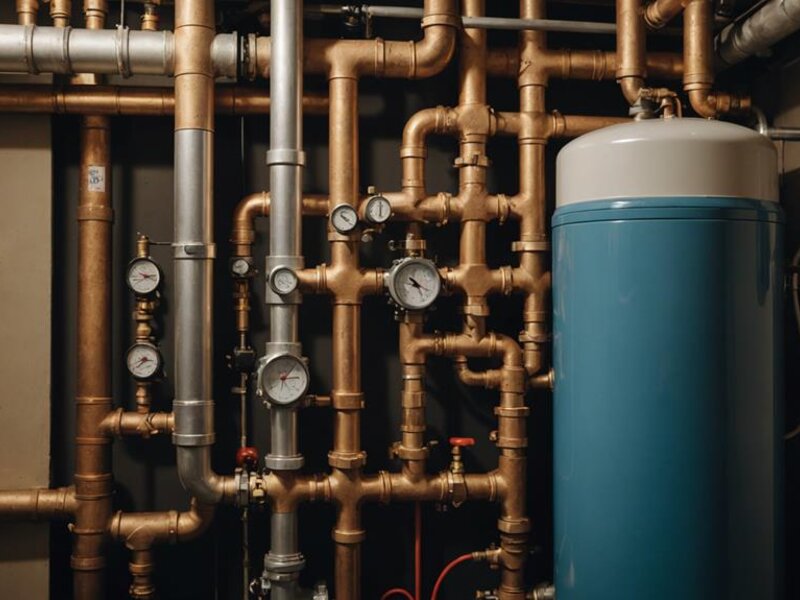
Round-the-clock emergency service for burst pipes, slab leaks, sewage backups, and water heater failures. Response across all San Antonio neighborhoods and Bexar County including Stone Oak, Helotes, Alamo Heights, and JBSA military housing. Night, weekend, and holiday availability with a 20–50% surcharge on base labor rates.
San Antonio's Hard Water Problem
San Antonio's water supply comes from the Edwards Aquifer, a porous Cretaceous-age limestone and dolomite formation that stretches beneath much of south-central Texas. As rainwater percolates through this karst geology, it dissolves calcium and magnesium carbonate — producing tap water that measures 130 to 180 milligrams per liter (15–20 grains per gallon). This is classified as "very hard" by USGS standards and is among the hardest municipal water in the United States.
The practical impact on San Antonio plumbing is significant and cumulative:
- Water Heaters
- Scale deposits accumulate on heating elements and tank walls, reducing a 40-gallon tank's effective capacity to 20–25 gallons over 5–7 years. Gas water heaters develop sediment layers that cause burner overheating, weakening tank structure. Lifespan drops from the national average of 12–15 years to 8–10 years in San Antonio.
- Pipes and Fixtures
- Mineral scale narrows pipe interiors over time, reducing water flow and pressure. Faucet aerators, showerheads, and dishwasher spray arms clog with white calcium deposits. Galvanized steel pipes — common in homes in Selma, Schertz, and Cibolo — corrode faster when combined with hard water chemistry.
- Appliance Damage
- Dishwashers, washing machines, and ice makers connected to untreated San Antonio water develop scale buildup on heating elements and valves, reducing efficiency and shortening lifespan by 3–5 years.
- Water Softener Solutions
- Whole-home water softeners ($1,500–$4,000 installed) remove calcium and magnesium before water enters your plumbing system. SAWS monitors softener discharge, and San Antonio has salt-use ordinances — salt-free conditioners or potassium-based systems are alternatives if discharge compliance is a concern. The investment typically pays for itself within 3–5 years through extended appliance life.
Slab Leak Detection and Repair in San Antonio
Slab leaks are one of the most common and costly plumbing problems in San Antonio, driven by the city's unique combination of expansive clay soil (locally called "black gumbo clay") and underlying limestone karst geology. When the clay absorbs water from San Antonio's 34.9 inches of annual rainfall, it swells — and when it dries during summer droughts, it contracts. This continuous expansion-contraction cycle shifts concrete slab foundations and stresses the copper and PVC water lines running beneath them.
Signs of a slab leak in your San Antonio home:
- Unexplained increase in your SAWS water bill
- Sound of running water when all fixtures are off
- Warm or hot spots on the floor (hot water line leak)
- Damp, buckled, or warped flooring
- Cracks in walls, baseboards, or the foundation itself
- Mold or mildew smell near the slab
- Low water pressure with no other explanation
Detection methods: Electronic listening equipment, thermal imaging cameras, ground-penetrating radar, acoustic detection, and pressure testing — all used to pinpoint the leak location without unnecessary demolition. Once located, repair options include spot repair (accessing the pipe through the slab), rerouting the line above ground or through the attic, or epoxy pipe lining for less severe cases.
Cost: Slab leak detection runs $150–$400. Repair costs range from $1,500 to $4,000+ depending on access method, pipe material, and the extent of damage. Homes built before 2000 in Alamo Heights, Monte Vista, Southtown, and King William are at highest risk due to aging copper lines compounding the soil movement issue.
What to Expect from a San Antonio Plumbing Service Call
When you call: Describe the problem as specifically as possible — location in the home, when it started, and whether water is actively leaking. For emergencies, we dispatch immediately. For scheduled service, we provide a 2-hour arrival window and call 30 minutes before arrival. Service call fees ($150–$250) cover the trip and initial diagnostic assessment and are applied toward the repair if you proceed.
During the visit: The plumber inspects the problem, checks water pressure (SAWS delivers 35–175 PSI depending on your location and elevation), tests water hardness if relevant, and provides a written estimate before starting any work. For slab leak detection, expect 1–3 hours of diagnostic work. Standard repairs like faucet replacement or drain clearing typically take 1–2 hours. Repiping or water heater replacement takes a full day.
After the work: All work is tested before the plumber leaves. Permitted work (required for new construction, renovation, and MEP projects in San Antonio) includes city inspection scheduling. You receive documentation of the work performed, warranty information, and maintenance recommendations specific to San Antonio's water conditions — especially annual water heater flushing and pipe inspection schedules.
Example Project: Alamo Heights Whole-Home Repipe
A 2,100 sq ft home in Alamo Heights built in 1968 with original galvanized steel supply lines and cast iron drain lines — one of the most common major plumbing projects we handle in San Antonio's established neighborhoods.
- Home Type
- 1968 ranch-style, slab-on-grade foundation, 3 bed/2 bath
- Problem
- Low water pressure throughout the home (measured at 22 PSI at fixtures vs. 65 PSI at the meter), rust-colored water from corroded galvanized supply lines, and recurring drain backups from deteriorated cast iron waste lines
- Root Cause
- 58 years of Edwards Aquifer hard water (17 GPG at this location) corroding galvanized pipe interiors, reducing effective pipe diameter by 60%+. Cast iron drain lines had internal rust scale and two root intrusion points from mature live oaks in the front yard.
- Solution
- Full repipe: replaced all galvanized supply lines with PEX (cross-linked polyethylene), replaced cast iron drain lines with PVC through accessible points, lined 18 feet of under-slab cast iron with epoxy to avoid slab demolition
- Additional Work
- Installed whole-home water softener (Fleck 5600SXT, 48,000 grain capacity) and 50-gallon power-vent gas water heater to replace the failing 14-year-old unit
- Timeline
- 4 days total: 1 day demo and rough-in, 2 days pipe installation, 1 day fixture reconnection and testing
- Permits
- City of San Antonio plumbing permit through Development Services (1901 South Alamo), passed inspection on first visit
- Total Cost Range
- $8,500–$12,000 including repipe, water heater replacement, water softener, and permit fees
Common Pipe Problems in San Antonio Homes
San Antonio's housing stock spans over a century of construction methods and pipe materials. Knowing what is in your walls and under your slab determines what failures to expect and when to plan for replacement.
- Galvanized Steel (pre-1970s homes)
- Extremely common in Selma, Schertz, Universal City, and Cibolo. Galvanized pipes corrode internally with age, producing rust-colored water and progressively lower water pressure. San Antonio's hard water accelerates this corrosion. Most galvanized supply lines over 50 years old have lost 40–60% of their internal diameter. Replacement recommendation: repipe to PEX or copper when water pressure drops below 40 PSI at fixtures.
- Polybutylene (1978–1995 homes)
- Installed widely in mass-produced tract homes across San Antonio's south and west sides during the building boom of the 1980s and early 1990s. Polybutylene becomes hard and brittle over time, developing hairline cracks that cause slow, hidden leaks — often inside walls or under slabs where damage accumulates before detection. Most insurance companies will not cover polybutylene failures. Full repipe to PEX: $4,000–$10,000 depending on home size.
- Cast Iron (pre-1980s drain lines)
- Common in commercial buildings and older homes throughout San Antonio, particularly in King William, Southtown, and Monte Vista historic districts. Cast iron sewer and drain lines corrode internally from water exposure and externally from contact with San Antonio's shifting soil. Interior rust scale reduces drain diameter, causing slow drains and recurring backups. Tree root intrusion through corroded joints is a secondary issue. Trenchless pipe lining can extend cast iron life by 20–30 years where the structural integrity is still adequate.
- Copper (1960s–present)
- Standard supply pipe material in San Antonio homes since the 1960s. Copper performs well overall but develops pinhole leaks when exposed to San Antonio's hard water chemistry over 30+ years, particularly in hot water lines. Slab-mounted copper is also vulnerable to the soil expansion-contraction cycle. Typical lifespan in San Antonio: 40–60 years for above-slab runs, 25–40 years for under-slab lines depending on soil conditions.
Plumbing Service Costs in San Antonio
San Antonio plumbing costs reflect both labor market rates in the Bexar County area and the additional complexity that hard water and expansive clay soil add to many jobs. Here is what to budget:
- Service Call Fee
- $150–$250 — covers trip and initial diagnostic assessment, typically applied toward repair cost if you proceed
- Hourly Labor Rate
- $75–$150/hour during normal business hours (Mon–Sat). Emergency surcharge of 20–50% for nights, weekends, and holidays. Most jobs carry a 2-hour minimum.
- Drain Cleaning
- $50–$450 depending on severity and location. Simple toilet or sink clogs: $60–$250. Main sewer line snaking: $200–$500. Hydro-jetting: $350–$600.
- Water Heater Replacement
- $1,200–$3,500 installed — includes removal of old unit, new 40–50 gallon tank water heater, expansion tank, and connections. Tankless units: $2,500–$5,000. Add $200–$400 for hard water-rated anode rod upgrade.
- Slab Leak Repair
- $1,500–$4,000+ — detection ($150–$400) plus repair via spot access, reroute, or epoxy lining. Foundation restoration not included.
- Whole-Home Repipe
- $4,000–$10,000 — replaces all supply lines (galvanized or polybutylene to PEX or copper). Price varies by home size, number of fixtures, and accessibility.
- Water Softener Installation
- $1,500–$4,000 — whole-home unit including bypass valve, drain connection, and initial salt or potassium fill. Annual salt costs: $100–$200.
- Faucet/Fixture Replacement
- $150–$400 per fixture including parts and labor. Hard water damage to cartridges and valves is the most common reason for replacement in San Antonio.
Plumbing Service Areas Across San Antonio
San Antonio's plumbing challenges vary by neighborhood, driven by building age, foundation type, soil composition, and pipe materials. Here is what we commonly encounter across the metro area:
- King William & Southtown (78204)
- 19th-century German immigrant homes and Victorian-era structures — the oldest residential plumbing in San Antonio. Original cast iron drain lines, lead service connections (requiring replacement), and undersized supply lines. Foundation settlement from 130+ years of soil movement creates chronic slab and pier issues.
- Monte Vista Historic District (78212)
- Listed on the National Register of Historic Places, Monte Vista is the largest historic district in the country. Homes built 1890–1930 in Queen Anne, Georgian, and Craftsman styles with aging galvanized and cast iron plumbing. Historically appropriate renovation requirements can complicate exterior pipe routing.
- Alamo Heights (78209)
- Established affluent neighborhood with homes from the 1920s–1970s. Copper supply lines showing age-related pinhole leaks, particularly in under-slab hot water runs. Mature live oak root systems create recurring sewer line intrusion issues.
- Stone Oak (78258, 78260)
- Rapid growth area with newer construction (1990s–present). Limestone substrate creates different foundation behavior than the clay soil areas — fewer slab leaks but harder and more expensive utility trenching. Some 1990s homes have polybutylene supply lines requiring replacement.
- Helotes (78023)
- Hill Country edge with rocky limestone soil. Well water systems are still present in some properties outside SAWS service area, requiring pressure tanks, UV treatment, and additional filtration. Hard water levels can exceed 25 GPG in well-supplied homes.
- Schertz, Cibolo & Universal City (78108, 78154)
- Northeast suburban corridor with high concentrations of galvanized steel pipes in 1960s–1980s homes. Military-adjacent communities near JBSA-Randolph. Galvanized pipe corrosion is the single most common service call in this area.
Full service area covers zip codes 78201–78266 and the surrounding communities of New Braunfels, Boerne, Spring Branch, and all JBSA military housing installations (Lackland, Fort Sam Houston, Randolph).
Plumbing Maintenance for San Antonio's Water Conditions
Preventive maintenance is more important in San Antonio than in most cities because hard water and expansive soil create problems that compound silently over years. A basic annual maintenance schedule prevents the most expensive emergency calls.
- Flush your water heater every 6–12 months — Drain 3–5 gallons from the tank's drain valve to remove sediment. In San Antonio's hard water, sediment accumulates faster than in soft water areas. Annual flushing can extend water heater life by 2–3 years and maintain full tank capacity.
- Check water pressure annually — Attach a pressure gauge to a hose bib and compare to your baseline. SAWS delivers 35–175 PSI depending on your location and elevation. A gradual drop in pressure over years indicates mineral scale buildup inside pipes. A sudden drop may indicate a leak.
- Inspect exposed pipes for corrosion — Check pipes in the garage, under sinks, and at the water heater for green patina (copper corrosion), white scale deposits (hard water mineral buildup), or rust stains (galvanized pipe failure). Early detection prevents emergency failures.
- Monitor your SAWS water bill for unexplained increases — A gradual bill increase with no change in usage patterns often indicates a hidden slab leak. Compare month-over-month usage. An increase of 1,000+ gallons with no explanation warrants a leak inspection.
- Clean faucet aerators and showerheads quarterly — Soak in white vinegar for 2–4 hours to dissolve calcium deposits from hard water. Replace aerators annually if flow doesn't recover after cleaning.
- Know your pipe materials and age — If your San Antonio home has galvanized supply lines (pre-1970s), polybutylene (1978–1995), or original cast iron drains (pre-1980s), schedule a professional pipe assessment to establish a replacement timeline before emergency failure occurs.
How to Choose a Plumber in San Antonio
Choosing a plumber in San Antonio means verifying credentials specific to Texas licensing requirements and confirming the plumber understands the hard water and soil conditions that drive most failures in Bexar County.
- Verify TSBPE licensing — Every plumber in Texas must hold a valid license from the Texas State Board of Plumbing Examiners. License types: Tradesman Plumber-Limited, Journeyman Plumber, or Master Plumber. Verify the license number online at tsbpe.texas.gov. Unlicensed plumbing work in San Antonio can result in fines and voided warranties.
- Confirm City of San Antonio registration — For permitted work, contractors must register their state license with the City of San Antonio Development Services Department, carry current liability insurance and workers' compensation, and pass background checks.
- Ask about hard water experience — A qualified San Antonio plumber should be able to tell you your area's approximate water hardness in GPG, explain the impact on your specific pipe material, and recommend appropriate water treatment. If a plumber doesn't mention hard water in San Antonio, that is a significant knowledge gap.
- Request itemized written estimates — The estimate should break down material costs, labor hours, permit fees (if applicable), and any diagnostic charges. Avoid plumbers who quote a single lump-sum price without itemization — this is where hidden costs appear.
- Check for 24/7 emergency availability — Slab leaks, burst pipes, and sewage backups don't wait for business hours. Confirm the plumber offers true emergency response, not just an answering service, and understand the after-hours surcharge structure before you need it.
Get a Free Plumbing Estimate in San Antonio
Every estimate starts with a diagnostic assessment of your plumbing system, water pressure, and — when relevant — hard water conditions and pipe material identification. We provide detailed, itemized quotes covering labor, materials, permits, and timeline. Serving all of San Antonio and Bexar County including Alamo Heights, Stone Oak, King William, Southtown, Monte Vista, Helotes, Schertz, Cibolo, and all JBSA military housing.
Call Now: (888) 718-6568Frequently Asked Questions
How much does a plumber cost in San Antonio?
San Antonio plumbing services typically cost $277–$399 for standard repairs, with hourly labor rates of $75–$150 during normal business hours. Service call fees run $150–$250, which covers the trip and initial assessment. Emergency calls on nights, weekends, and holidays carry a 20–50% surcharge on base rates. Common jobs: unclogging a drain costs $50–$450, water heater replacement runs $1,200–$3,500, and slab leak repair ranges from $1,500–$4,000+.
Why is San Antonio's water so hard and how does it affect plumbing?
San Antonio's water comes from the Edwards Aquifer, a limestone-based karst aquifer system. As rainwater filters through Cretaceous-age limestone and dolomite, it dissolves calcium and magnesium carbonate, producing water hardness of 15–20 grains per gallon (130–180 mg/L) — classified as very hard. This causes scale buildup inside pipes, water heaters, and fixtures, reducing water heater lifespan to 8–10 years and progressively narrowing pipe interiors.
How common are slab leaks in San Antonio?
Slab leaks are extremely common in San Antonio due to the city's expansive clay soil (black gumbo clay) and underlying limestone karst geology. The continuous expansion-contraction cycle stresses underground water lines beneath concrete slab foundations. Slab leaks are most prevalent in homes built before 2000, particularly in Alamo Heights, Monte Vista, and Southtown where aging copper lines compound the soil movement issue.
Do I need a licensed plumber in San Antonio?
Yes. Texas law requires all plumbers to hold a valid license from the Texas State Board of Plumbing Examiners (TSBPE). For permitted work in San Antonio, contractors must also register with the City's Development Services Department, carry liability insurance and workers' compensation, and pass background checks. Permits are required for new construction, renovation, and MEP work — minor repairs like clearing a drain typically don't require a permit.
How long do water heaters last in San Antonio?
Water heaters in San Antonio typically last 8–10 years — shorter than the 12–15 year national average — due to the Edwards Aquifer's extremely hard water. Mineral scale builds on heating elements and tank walls, reducing efficiency and capacity each year. Annual flushing extends lifespan, but most San Antonio plumbers recommend replacement at the 8–10 year mark rather than waiting for failure.
Does San Antonio have polybutylene or galvanized pipes?
Yes. Polybutylene pipes were installed in San Antonio homes built between 1978 and 1995, particularly in tract homes on the south and west sides. Galvanized steel pipes are extremely common in Selma, Schertz, Universal City, and Cibolo. Both materials deteriorate over time — polybutylene becomes brittle and cracks, galvanized corrodes internally. If your home was built before 1995, a pipe material inspection is strongly recommended.
What areas do you serve in San Antonio?
We serve all of San Antonio and Bexar County including Alamo Heights, Stone Oak, Monte Vista, King William, Southtown, Helotes, Medical Center, and the surrounding communities of Schertz, Cibolo, Universal City, New Braunfels, Boerne, and Spring Branch. Our service area covers zip codes 78201–78266 and extends to all JBSA military housing communities.
How do I detect a slab leak in my San Antonio home?
Common signs include unexplained increases in your SAWS water bill, the sound of running water when all fixtures are off, warm spots on the floor, damp or buckled flooring, cracks in walls or foundation, and low water pressure. Professional detection uses electronic listening equipment, thermal imaging, ground-penetrating radar, and pressure testing to pinpoint the leak without unnecessary demolition.
Should I install a water softener in San Antonio?
For most San Antonio homes, yes. The Edwards Aquifer delivers water at 15–20 GPG hardness — well above the 7 GPG threshold where softeners become recommended. A whole-home water softener costs $1,500–$4,000 installed and protects pipes, water heaters, and fixtures from mineral scale. SAWS monitors softener discharge — salt-free conditioners or potassium-based systems are alternatives if discharge is a concern.
Can San Antonio pipes freeze in winter?
Yes, though uncommon, freezing can be severe when it occurs. San Antonio averages 15 freezing days per winter. The February 2021 arctic blast caused widespread pipe bursts across Bexar County. Exposed pipes in attics, exterior walls, and detached garages are most vulnerable. Insulate exposed pipes, know your main shutoff valve location, and drip faucets during hard freeze warnings. Pipe burst repairs typically cost $500–$2,500.